How Walnut Became a Signature of Modern Design
Walk into almost any beautifully designed home from the last seventy years and there's a good chance you'll find walnut somewhere within it. There are materials that belong to a particular moment, and others that seem to move effortlessly between eras. Walnut sits firmly in the second category.
Its deep, natural colour has appeared in traditional cabinetry, sculptural mid-century furniture and in some of today’s most contemporary interiors. Although the shapes around it have changed, the appeal of the wood itself has remained remarkably constant.
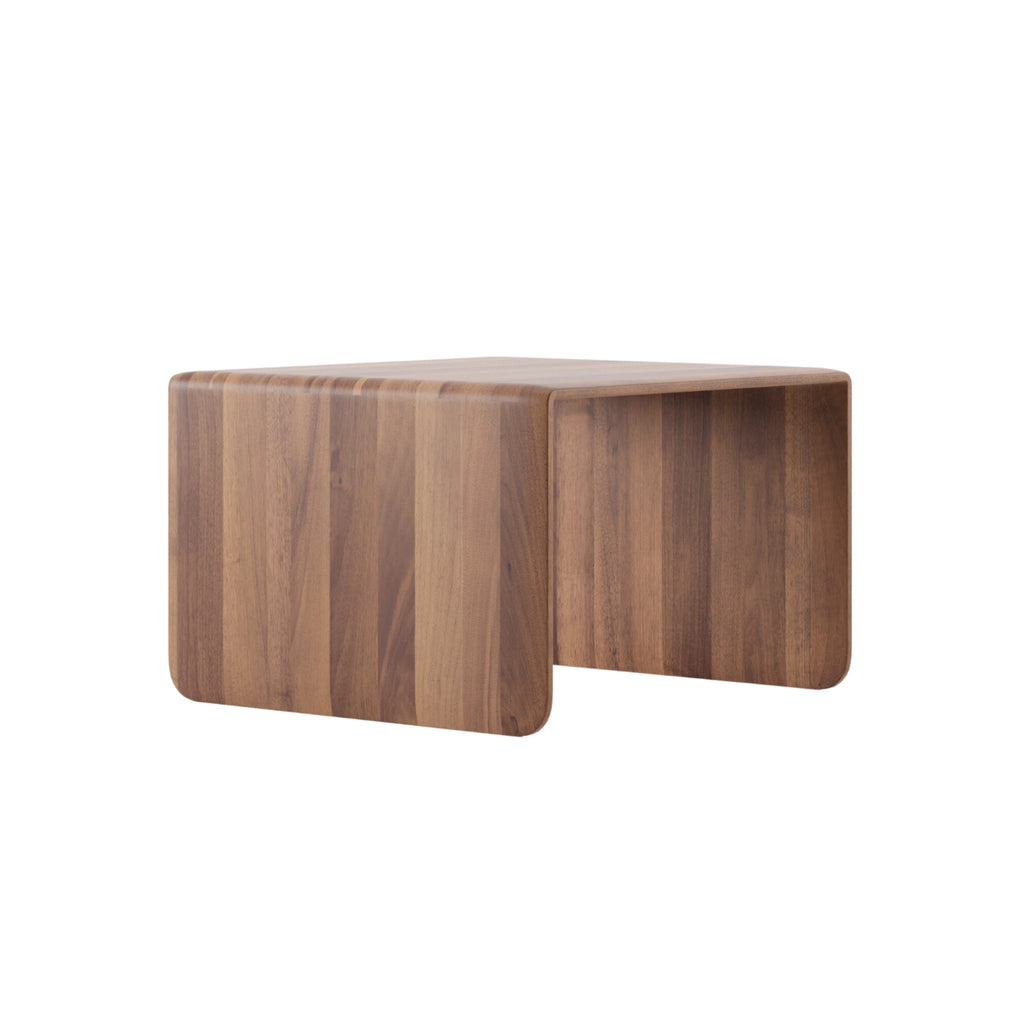
Walnut brings richness without relying on decoration. Its colour can range from warm caramel to deep chocolate, while its flowing grain gives even a simple surface a sense of movement. It is this combination of natural detail and quiet sophistication that has made it such an enduring material in furniture and interior design.
The Wood Behind the Mid-Century Look
Walnut has become particularly closely associated with mid-century modern design.
The movement emerged during a period when designers were reconsidering what a modern home should look like and how furniture should function within it. Unnecessary ornament was stripped away in favour of clean lines, practical forms and objects designed for everyday life.
Walnut was beautifully suited to this new design language. Its grain brought character to otherwise minimal forms, while its warmth prevented streamlined furniture from feeling stark or impersonal.
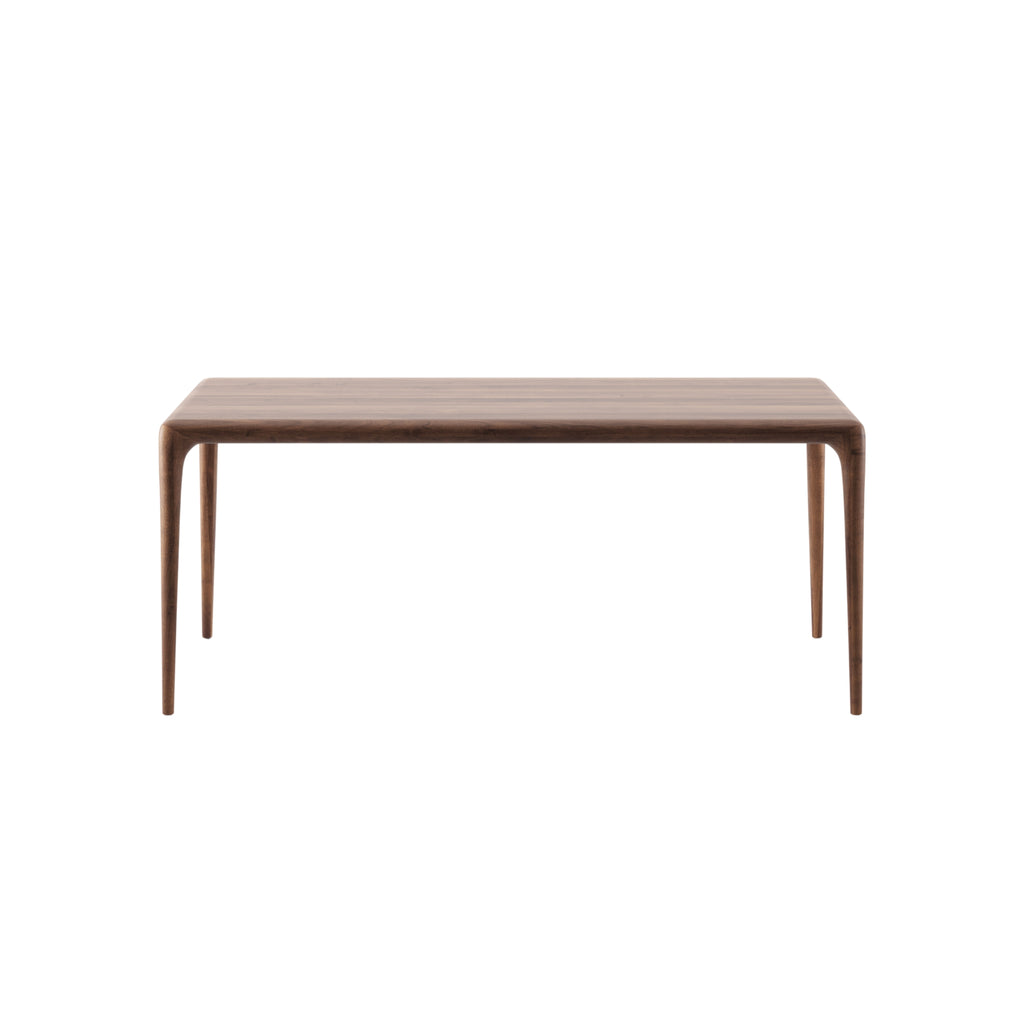
Think of the familiar mid-century silhouette: a long, low sideboard raised on slender legs, a gently curved dining chair or a beautifully proportioned table with softened edges. The construction may be simple, but walnut ensures that the result never feels plain.
The material became strongly associated with American and Scandinavian furniture makers during the middle decades of the twentieth century, appearing in dining tables, storage pieces, desks and lounge furniture.
Walnut’s connection to mid-century design does not make it feel nostalgic. Instead, it gives the wood a sense of familiarity. We recognise its warmth and craftsmanship, even when it appears in a completely contemporary form.
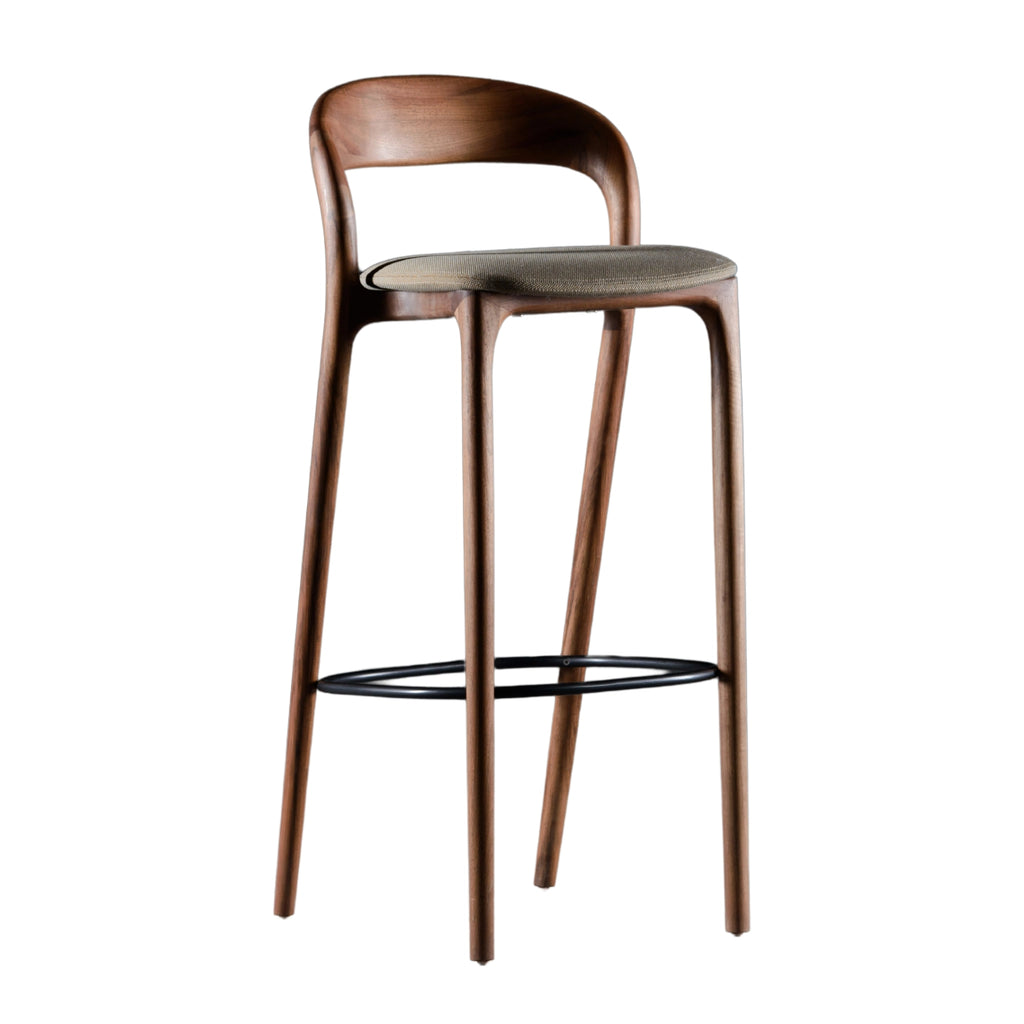
Today’s designers might use walnut in a sculptural dining table, a ribbed sideboard, streamlined shelving or minimal kitchen cabinetry. The forms feel new, but the material provides a link to the long tradition of well-made wooden furniture.
This is why walnut works so naturally in modern interiors. It does not need elaborate detailing to make an impression. The grain, tone and craftsmanship carry the design.
From Statement Furniture to the Entire Room
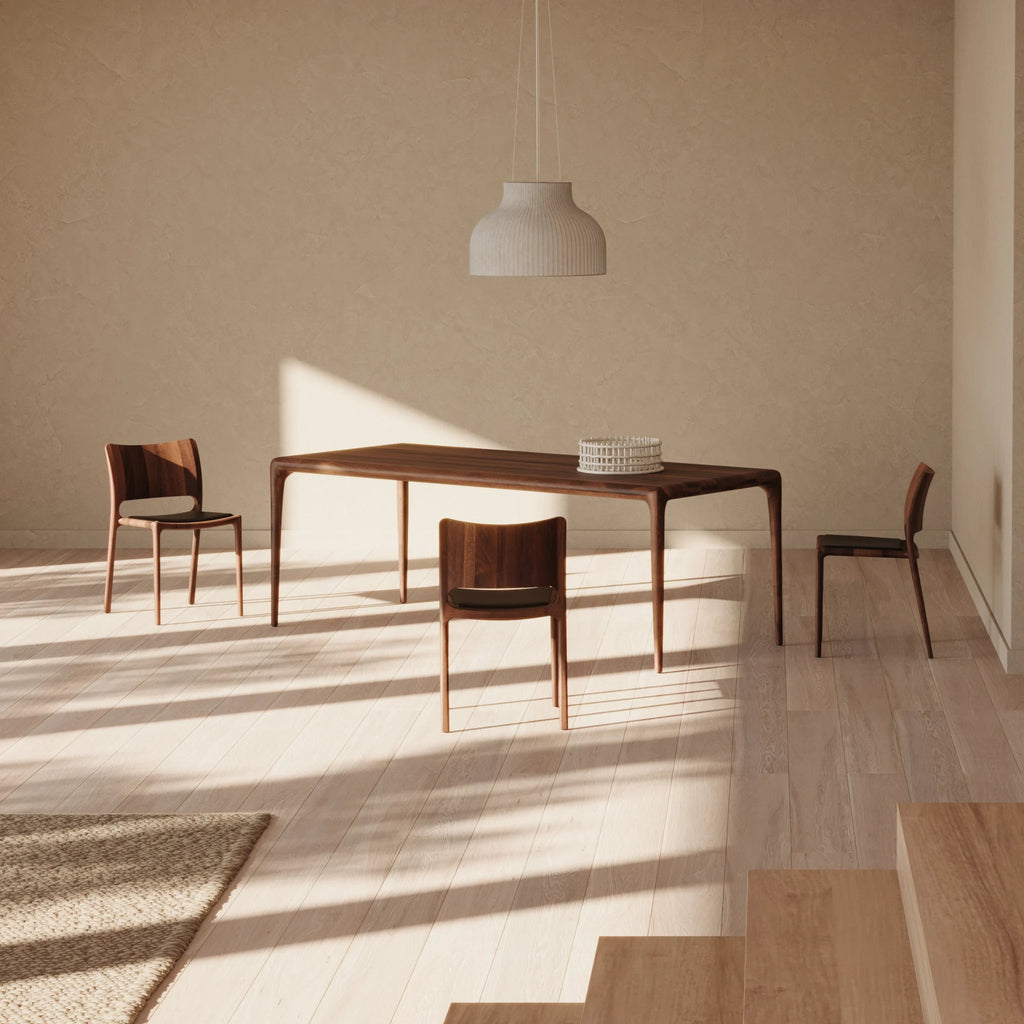
A walnut dining table can become the natural centre of a home. Placed beneath a pendant light and surrounded by upholstered or matching walnut dining chairs, it creates a setting that feels warm before anything has even been served. In daylight, the variation in the grain becomes more visible. In the evening, the deeper tones help the room feel intimate and settled.
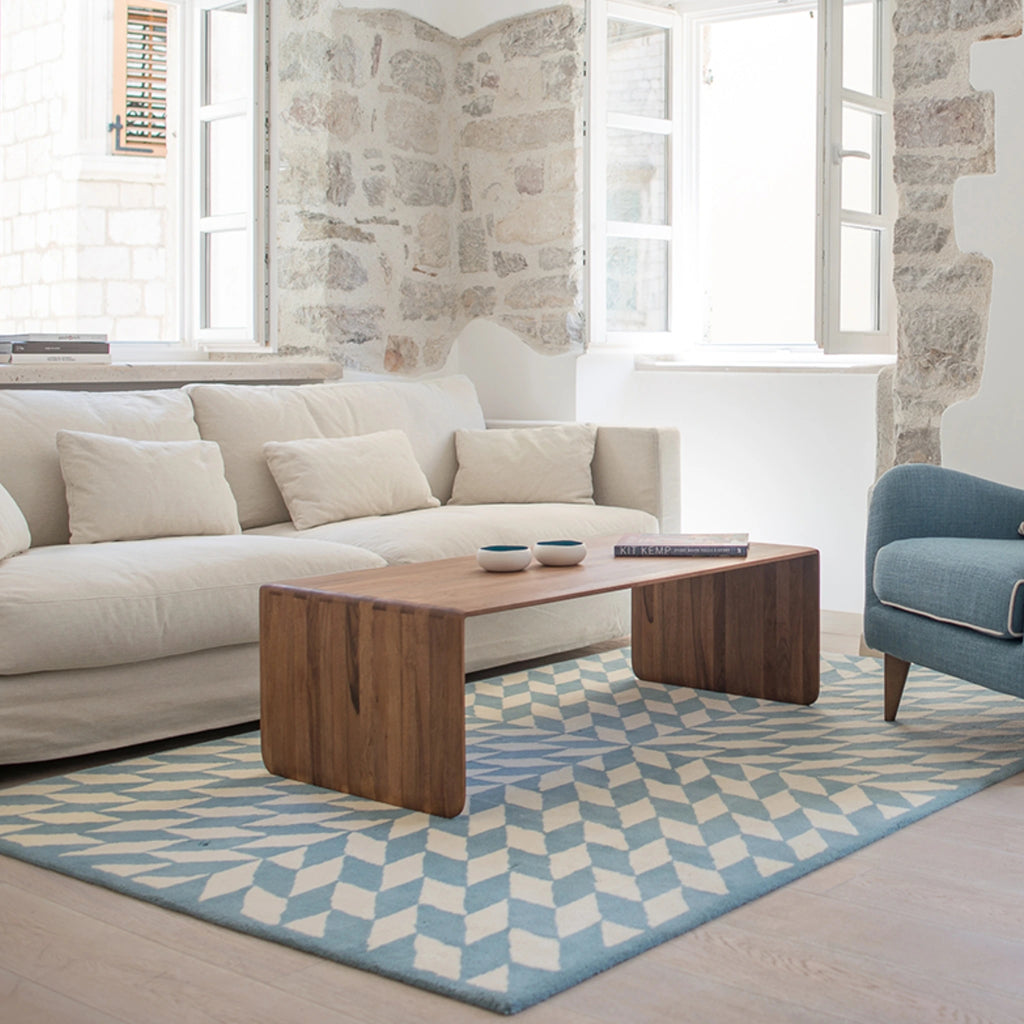
The same effect can be created with a walnut sideboard in a living area. Against a pale wall, its colour adds depth. Beside a softly textured sofa, a wool rug or linen curtains, it introduces structure without making the room feel hard.
Walnut does not have to appear everywhere. One considered piece can be enough to anchor an otherwise neutral interior.
Walnut’s warmth becomes particularly powerful in a kitchen.
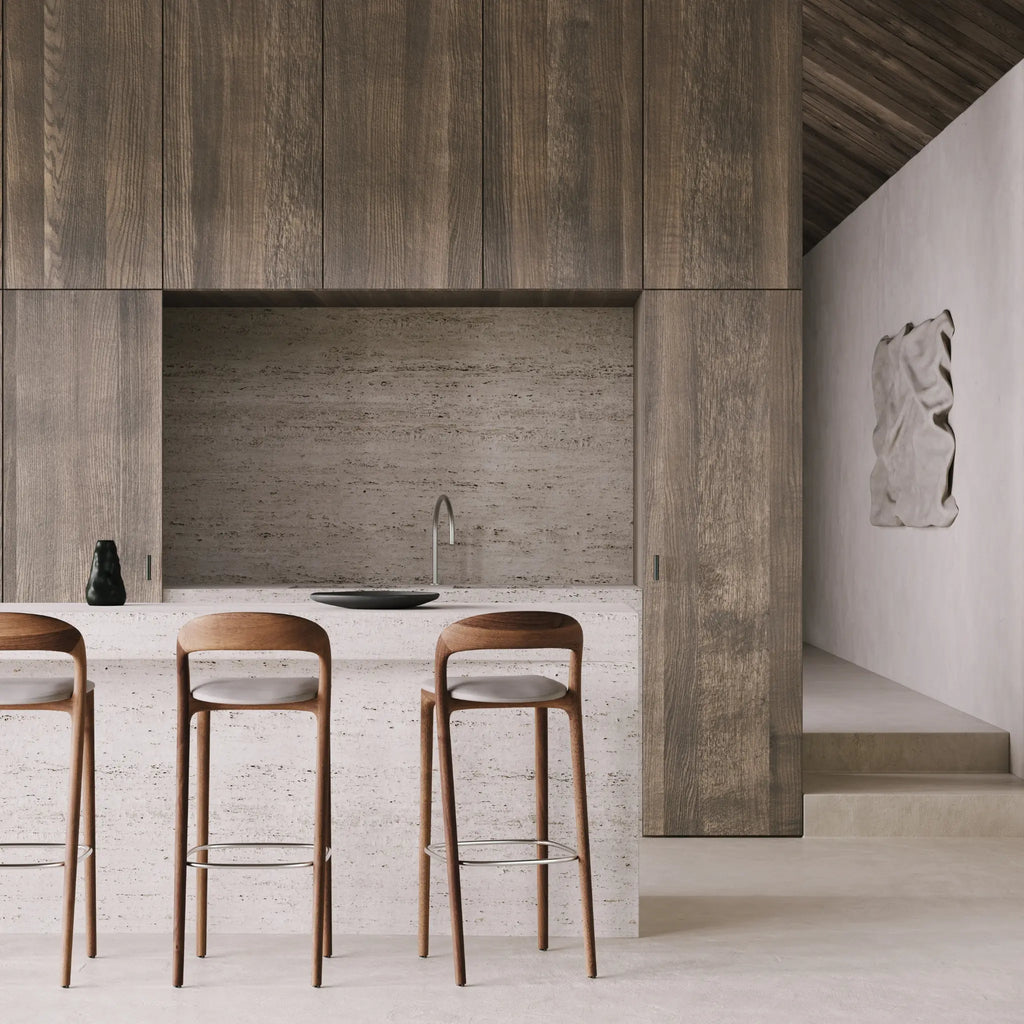
Contemporary kitchens often contain large expanses of cabinetry, stone and practical surfaces. Walnut introduces natural movement into those areas, allowing the kitchen to feel more like a furnished room and less like a purely functional workspace.
A full run of walnut cabinetry can create a confident, architectural look. Used more selectively, walnut can define an island, a breakfast area, a bank of tall cupboards or a piece of fitted furniture.
In the Blenheim project by our partner NAKED Kitchens, rich exposed walnut fronts bring abundant warmth to this effortlessly chic kitchen. Coupled with vibrant pops of colour and the glazed herringbone tiled splashback, this kitchen feels distinctly contemporary while retaining its natural warmth.
How to Make Walnut Feel at Home
The depth of walnut makes it a natural partner for lighter and softer materials.
Against warm white or softly coloured walls, it provides contrast without the sharpness of black. Alongside limestone or marble, it brings warmth to cooler surfaces. With wool, linen and bouclé, it helps create a layered interior that feels comfortable as well as considered.
Walnut can also work beautifully with colour. Deep green brings out its organic character, while muted blue creates a calmer contrast. Terracotta, rust and warm neutrals emphasise its richer undertones.
The secret is not to recreate a period interior. Walnut does not require a complete mid-century scheme. A contemporary table, fitted kitchen or sideboard can carry the reference subtly, while the rest of the room remains entirely personal.
A Material With a Past and a Place in the Future
Perhaps the reason walnut continues to appeal is that it offers two things at once.
It carries the reassurance of design history and craftsmanship, but it also feels completely at home in the way we live now. It can form the centre of an open-plan kitchen, bring warmth to a minimal living room or turn an everyday dining table into something with a much stronger presence.
Walnut has never depended on novelty. Its appeal comes from something more lasting: beautiful material, thoughtful proportions and furniture made to become part of a home.
Discover Walnut for Your Home with Milola
From dining tables and sideboards to fitted cabinetry and bespoke kitchens, walnut can be introduced in many different ways. If you are considering it for your space, our team can help you compare woods and finishes, explore suitable designs and understand how the material will work alongside the colours, light and textures already in your home.